Voltage & Current

battery, icons, set of icons, charge, charged, discharged, torch, energy, low, high, strong, electricity, positive, lightning, negative, low energy, empty, full, aaa battery, aa battery, alkaline, source, battery, battery, battery, battery, battery

How Batteries Work

How Batteries work Batteries power everything from small electronics to alarm systems. Understanding how they work helps you choose the right type and avoid common mistakes. A battery has two terminals, a + positive terminal, and a – negative terminal. Different sizes and shapes can be constructed using cells, so their sizes and shapes can […]

How Batteries Work Read More »
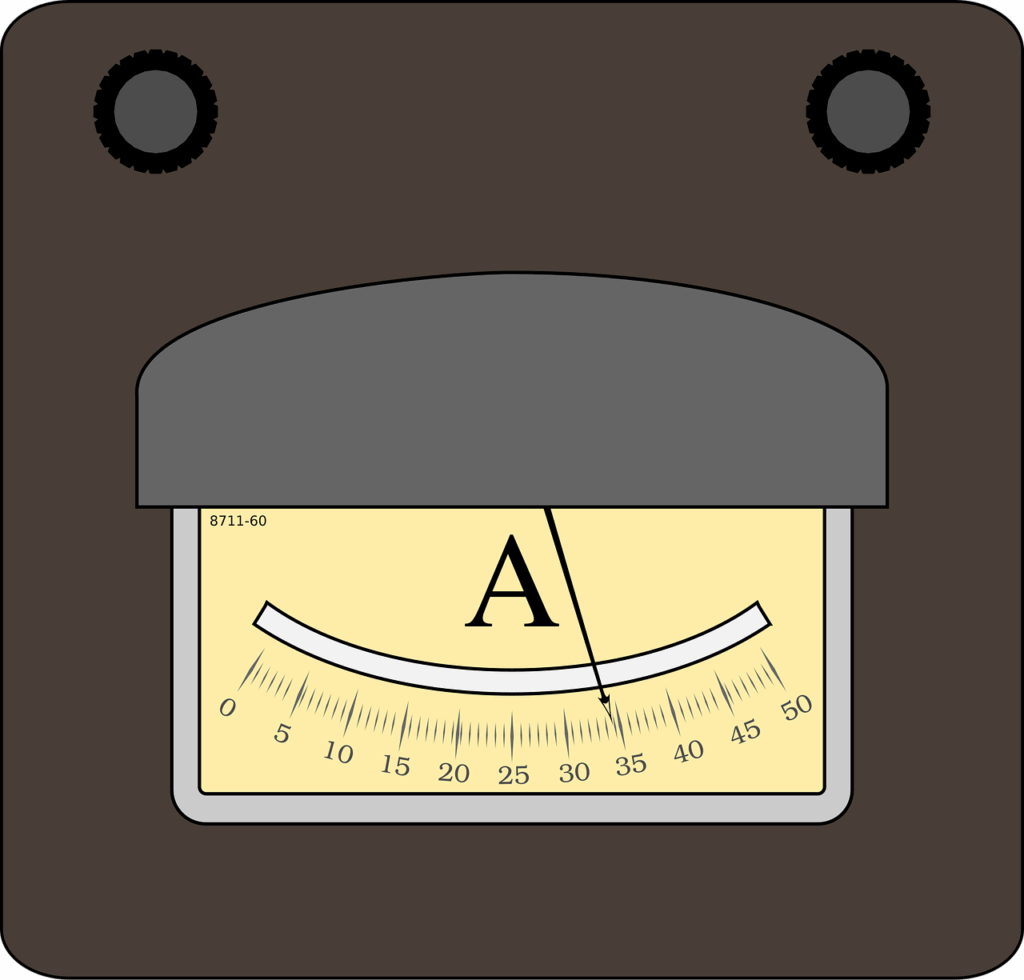
ammeter, measure, current, flow, electricity, electrical, measurement, analog, ampere, calibration, gauge, ammeter, ammeter, ammeter, ammeter, ammeter, calibration

Current Flow

Current Flow Electron theory helps to explain electricity. Conventional theory (+ to -) and electron theory (- to +) both describe the flow of electrons, however conventional theory states that current flows from positive to negative, while electron theory states that current flows from negative to positive. The use of conventional theory in calculations is

Current Flow Read More »

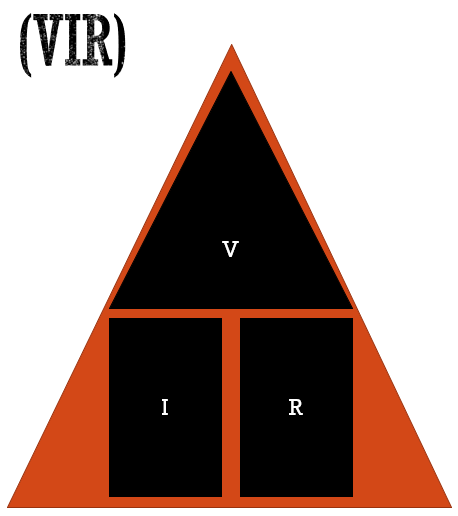
Ohms Triangle

Ohms Law

Ohms Law The relationship between Voltage, Current and Resistance is known as Ohm’s Law. So, when we work with alarm systems, we use the values to multiply and divide to calculate resistance values ect. So, to convert between different units of measurement, we use the prefixes kilo, milli, and micro to represent multiples or fractions

Ohms Law Read More »

light bulb, incandescent, smoke, crack, broken, bulb, current, light, glow, glow lamp, shining, filament, energy, electricity, icon, electricity icon, light bulb, light bulb, smoke, broken, broken, bulb, bulb, light, light, energy, energy, electricity, electricity, electricity, electricity, electricity

Current

  Current CURRENT (AMPERES). CURRENT is the quantity or flow rate of electrons moving past a point within one second. Current flow is also known as amperage, or amps for short. Higher voltage will produce higher current flow, and lower voltage will produce lower current flow Flow rate of electrons moving past a point in seconds. Neo

Current Read More »

high voltage, danger, electric, voltage, sign, high voltage, high voltage, high voltage, high voltage, high voltage

Voltage

Voltage The previous sections explain how electrons move and that they move more freely in a conductor. But some kind of force has to pull the electrons from one place to another. This attractive force between positive and negative charges is an electromotive force called voltage. Negative electrons move toward a positive voltage by way

Voltage Read More »

Lightning

Electricity

What is Electricity: A beginner’s guide Like most things in life, electricity is more complex than you might think. A lot of conditions have to be just right and come together to make that little spark when you touch a car door or provide power to a small single board computer. To understand how electricity

Electricity Read More »