
Alarm Systems with Switches and Relays
Alarm systems are essential for ensuring the safety and security of homes and businesses. But have you ever wondered how these systems work? At the heart of many alarm systems are switches and relays, which play a crucial role in their functionality in how areas, and devices are protected.
How switches and relays keep your home safe
Alarm systems are only as good as the parts that make them react. Behind every reliable alarm you’ll find a handful of simple, rugged components: switches that notice change and relays that translate that notice into action. In this post I’ll walk through how those parts work together, show practical wiring examples you can follow in the upcoming YouTube video, and suggest a starter relay kit if you’re ready to build along.
What a relay does, in plain language
A relay is best thought of as a remote-controlled switch. A small electrical signal energizes the relay’s coil and that magnetic action flips a separate contact to turn a higher-power device on or off. The important thing is separation: your tiny sensor wiring never has to carry the heavy current needed by a siren, a strobe light, or a door strike.
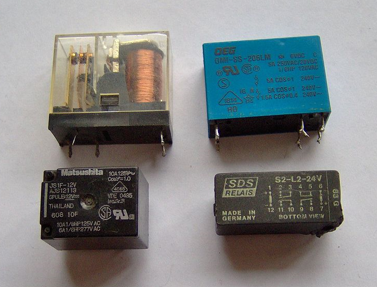
Relays have a few terminals you’ll see on every unit—common (COM), normally open (NO), and normally closed (NC)—and knowing how these behave lets you design the exact response you want when a sensor trips.
How switches and relays work together in real alarm circuits
Picture a front door fitted with a small magnetic sensor. When the door is closed the magnet keeps the contacts together; when the door opens the sensor changes state. That change is a low-voltage signal sent to the alarm panel. The panel, in turn, energizes a relay coil which closes the NO contact and lets power flow to the alarm device. The relay is acting as a buffer and a safety barrier—without it you’d need heavy wiring all the way back to the sensor.
Types of Switches and Relays Used in Alarm Systems
There are various types of switches and relays used in alarm systems, each with its own unique features and benefits:
Common switch types and where you’ll use them
Magnetic Reed Switches: These are commonly used in door and window sensors. They consist of two magnetic contacts that are separated when the door or window is closed and come together when it is opened.
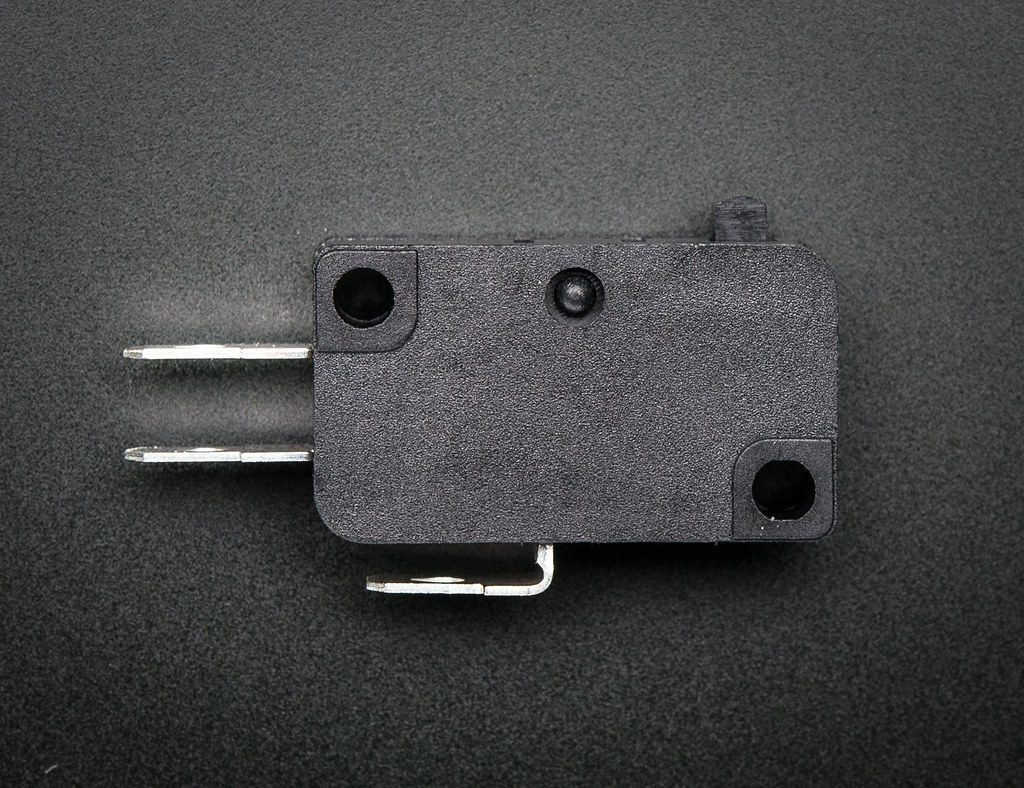
Magnetic reed switches are the go-to for doors and windows because they’re inexpensive, reliable, and easy to mount. They are small, unobtrusive, and ideal for perimeter zones. Micro switches are used where a precise mechanical action is required—tamper detection springs to mind, or a switch inside a cabinet that should sound an alert when opened. Both of these devices are simple to test with a multimeter and quick to replace if needed.
Insert Picture Here: Diagram of a Magnetic Reed Switch
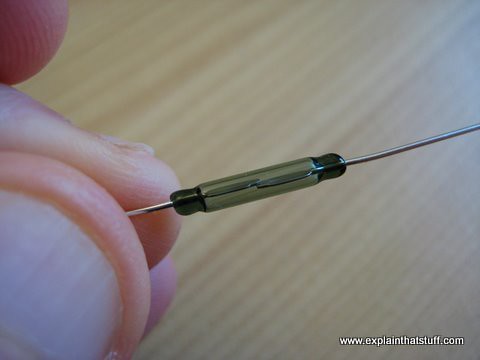
Micro Switches: These are small, sensitive switches that can be used in various applications within an alarm system. They are often used in tamper detection circuits.
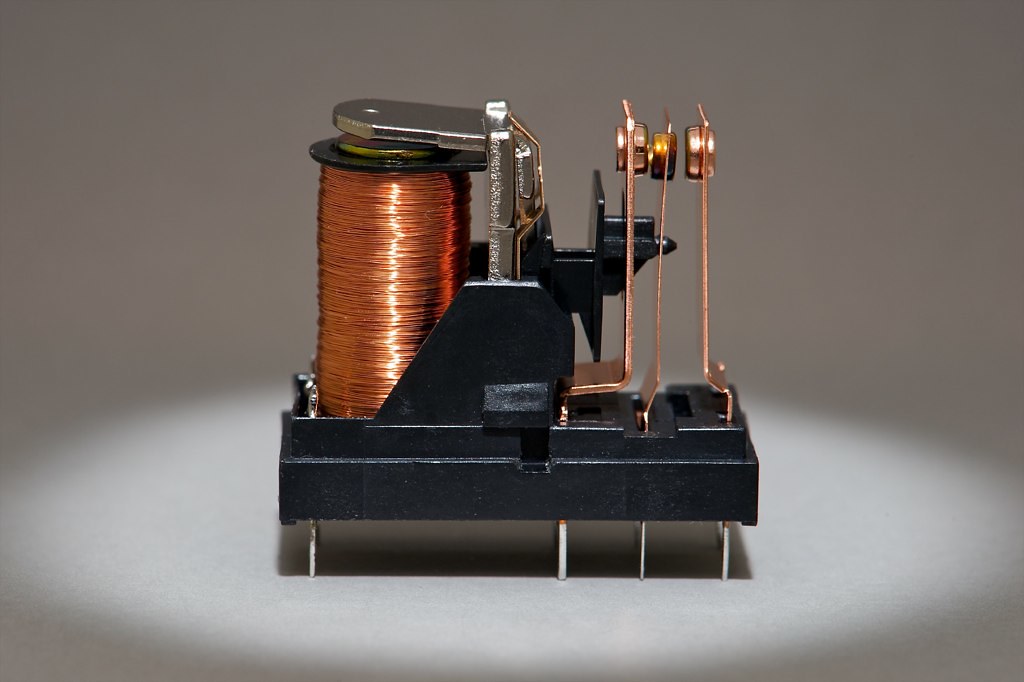
Electromechanical Relays: These relays use an electromagnet to operate a mechanical switch. They are reliable and can handle high current loads, making them ideal for activating alarms and other devices.
Solid State Relays: Unlike electromechanical relays, solid state relays have no moving parts. They use semiconductor devices to switch the current and are known for their fast response times and long life.
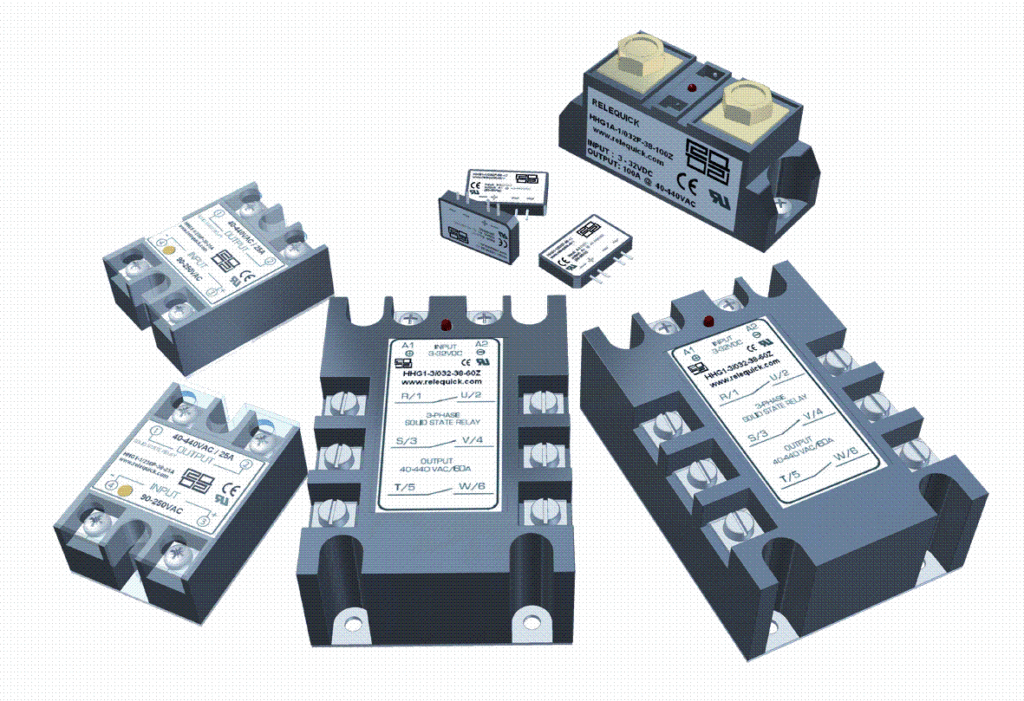
Picking the right relay for your alarm output
Most alarm projects use either electromechanical relays or solid-state relays. Electromechanical relays are familiar, easy to test (you can hear the click), and handle a range of loads—good for sirens, bells, and lighting. Solid-state relays last longer since they have no moving parts and they handle high-frequency switching well, but they behave differently electrically and usually cost more. For DIY alarm work, a small 5V or 12V electromechanical relay that matches the voltage of your alarm panel is often the most straightforward choice.
If you’re buying a kit, seek one that includes sockets or modules, jumper wires, and a few protection diodes. A diode across a relay coil (a flyback diode) protects your control electronics from voltage spikes when the coil is de-energized—an inexpensive addition that prevents strange errors and protects microcontrollers.
Safety and practical tips
Always confirm that the relay you choose is rated for the voltage and current of the device it will switch. Keep sensor wiring separate from any high-current runs to avoid interference and use proper insulation on exposed terminals. Test every connection with the system powered down, then re-check with a multimeter before pressing the power button.
Final thoughts and a quick purchase suggestion
Switches and relays are deceptively simple, but they bring operational reliability and safety to alarm systems that makes their operation predicable and stable. If you want to follow along, a small relay starter kit—containing a handful of 5V or 12V relays, sockets, jumper wires, and a couple of diodes—lets you prototype the exact circuits shown in the video. I can recommend specific kits or add direct product links to the post if you want a purchase-ready CTA.