
How Diodes and LEDS are used in Alarm Systems

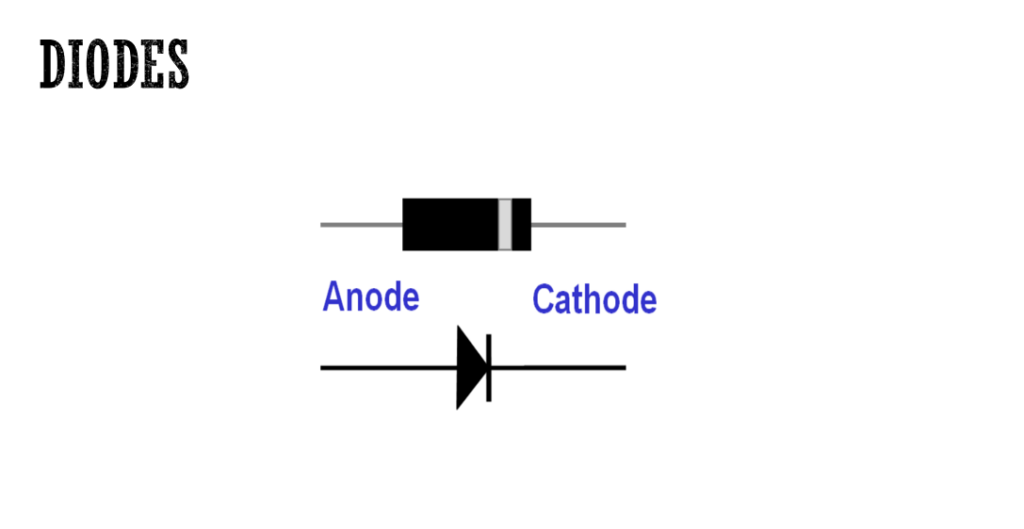
Diodes are essential components in electrical circuits, acting as one-way valves for electrical current. In alarm systems, technicians use diodes to ensure that current flows in the correct direction, preventing damage to the system and ensuring reliable operation. A diode has two terminals: the anode and the cathode. When the anode is more positive than the cathode, the diode is in a “forward-biased” state, allowing current to flow through. Conversely, when you apply voltage so that the cathode is more positive, you reverse-bias” the diode, and it blocks current flow.
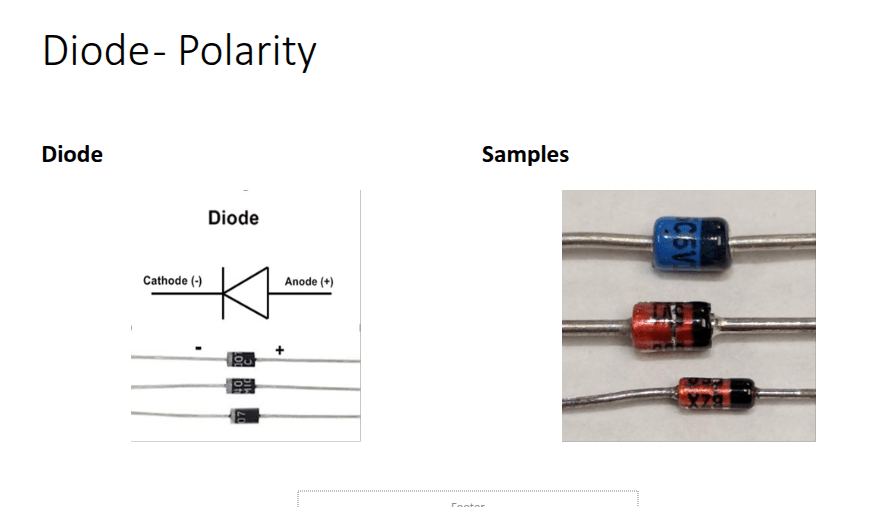
You can rate diodes by their maximum forward current and voltage. The stripe on the diode body indicates the cathode side. If you place the diode incorrectly, it will block the current flow based on its rating.
- A diode allow current to flow through it in one direction only.
- If cathode is more positive than the anode, no current will flow.
- A stripe indicates CATHODE side.
- Rated by current.
Applications of Diodes in Alarm Systems
In alarm systems, designers use diodes to protect other electrical components. For example, flyback diodes (or snubber diodes) prevent high voltage spikes in circuits with inductive loads when the current is suddenly interrupted. These diodes provide a low resistance path for the inductor’s stored energy to discharge, eliminating high voltage spikes and protecting other components.
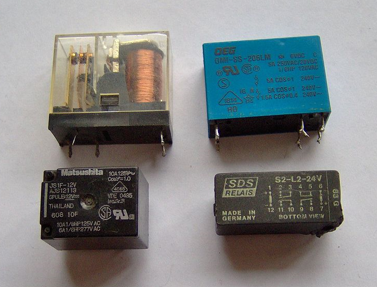
Diodes also prevent noise in circuits and protect against reverse polarity to the supply or load. You can often find them in systems applications across relays, latches, and magnetic locks.
The property of a diode that allows it to block or allow the flow of current is used to protect other electrical components. For example, Flyback diodes, also known as snubber diodes, are used in circuits that contain inductive loads to prevent high voltage spikes that can occur when the current through the inductor is suddenly interrupted. The diode is connected across the inductor so that it provides a low resistance path for the inductor’s stored energy to discharge into when the current is interrupted. This helps to eliminate the high voltage spike and protect other components in the circuit. Flyback diodes are also used to prevent noise in circuits, as well as to protect against reverse polarity to the supply or load.
In Typical Applications we use them across:
- Relays
- Latches
- Magnetic Locks.
Diodes are sometimes placed onto the PCB part of the component by the engineer designing the equipment, so you do not have to.
Applications of LEDS in Alarm systems (Light Emitting Diodes)
Designers use LEDs to provide visual feedback to the user. For example, a red LED might indicate that the system is armed, while a green one shows that it is disarmed. LEDs can also be used to indicate the status of individual sensors or zones within the alarm system .
When an LED is connected in a circuit, it’s important to connect a resistor in series with the LED to limit the current flow. LEDs have an absolute maximum current rating, and if the current exceeds this value, the LED can be damaged or “blown” . The maximum current flow through an LED can vary depending on the type of LED, with typical values ranging from 15mA to 100mA .
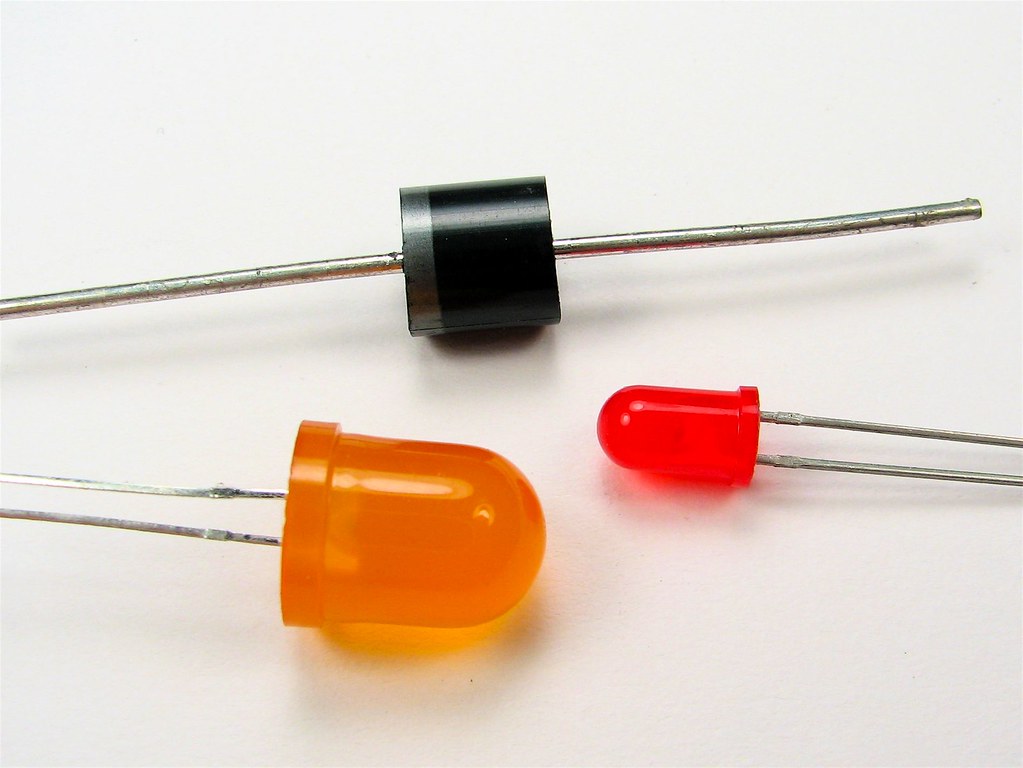
LEDs come in a variety of colors, including red, green, blue, yellow, and white. LEDS are used in a wide range of applications, from indicator lights and displays to automotive lighting and general illumination. In order for an LED to light up, the anode must be more positive than the cathode, so that current can flow through the LED and activate the light-emitting process.
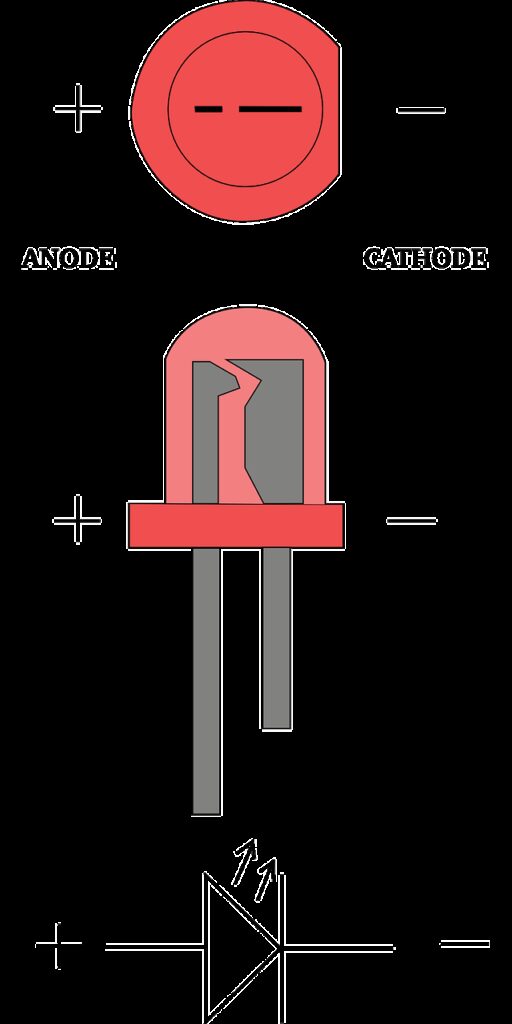
- LEDS come in different colours.
- For the LED to light, ANODE must be more + than the cathode
Summary
A resistor must be connected in series with the LED To limit the current flow. LED’s have an absolute maximum current limitation.
- If the current exceed the LED will blow.
- Maximum current flow varies.
- From 15mA to 100mA.
- Depends on the LED type.
- The Higher the value in series the dimmer the LED.