
Voltage, Current and Resistance for Alarm Systems
In Alarm Systems, voltage is an important aspect to consider when designing and installing the system. The voltage supply is by design (12Vdc/13.5Vdc) and is used to power the various components of the alarm system, including sensors, control panels, and other electronic devices.
For Alarm systems, they use voltage regulators the keep the supply voltage for these auxilary devices at the correct level. The correct voltage supply must be maintained to ensure that the system operates effectively and efficiently. If the voltage supply is too low, the components may not function properly, resulting in false alarms or system failures. If the voltage supply is too high, the components may be damaged, leading to system malfunctions and potential safety hazards. Thus, it is crucial to maintain the proper voltage level in an alarm system to ensure that it operates as intended.
A multimeter can be used to make sure that the Aux voltage on the panel is at the right level, and you can measure the voltage at the device in question. if the run to the device is too long you will have a voltage drop over the distance of the run.
Voltage is the electrical force that moves electrons through a conductor. Voltage is electrical pressure also known as EMF (Electro Motive Force) that pushes electrons. The greater the difference in electrical potential push (difference between positive and negative), the greater the voltage force potential.
Electricity has two different values.
- Their Strength depends.
- When they occur.
- How they are generated.
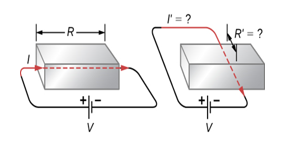
Potential Difference between two points, is also called:
- Voltage,
- measured in volts.
- Current,
- measured in Amperes (Amps for short)
- Often described as electron flow
So, for a circuit to function we need a Voltage source, a switch to close and open the circuit, a load that uses the electricity, and a conducting material to complete the circuit. In alarm systems you will have to wire your own circuits, unless you make use of a wireless device.
A voltage source (e.g. a battery) provides the electrical energy that powers the circuit. A switch allows you to control the flow of electricity in the circuit by opening and closing it. A load (e.g. a light bulb) is the device that uses the electricity provided by the voltage source. Finally, a conducting material (e.g. a wire) is necessary to complete the circuit and allow electricity to flow from the voltage source, through the load, and back to the source.

FAQ
Q: What is voltage in an alarm system?
Voltage is the electrical pressure that pushes electrons through a circuit. Alarm systems typically use 12–13.5V DC to power sensors and control panels.
Q: Why is correct voltage important?
Too little voltage can cause false alarms or device failure, while too much voltage can damage components. Maintaining proper AUX voltage is essential.
Q: What is current?
Current is the flow of electrons through a conductor, measured in amps. It depends on the voltage and the resistance in the circuit.
Q: What is resistance?
Resistance opposes the flow of current. Every load in an alarm system has resistance, which determines how much current it draws.
Q: How do I measure voltage in an alarm system?
Use a multimeter to check AUX voltage at the panel and at the device. Long cable runs can cause voltage drop, which affects performance.