
Insulators: How They Protect Electrical Circuits and Alarm System Wiring
Insulators are materials that do not conduct electricity. In alarm systems, they keep current on the intended path, protect components from damage, and help prevent short circuits
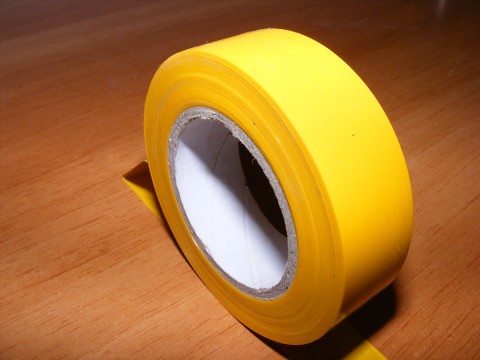
What Is an Insulator?
An insulator is any material that resists the flow of electrons. Unlike conductors, insulators do not have free electrons that can move easily. That makes them ideal for separating live parts and helping keep electricity under control.
- Insulators block current flow
- They protect people and equipment
- They keep wiring safe and reliable
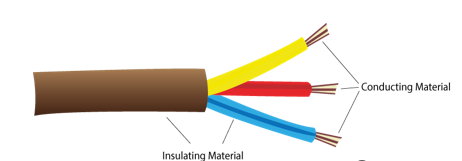
Tip: The outer jacket of a wire is an insulator. Its job is to keep electricity inside the wire and keep you safe.
Why Insulators Are Important
In electrical systems, conductors provide a path for current. Insulators create boundaries around that path so the electricity does not leak into nearby materials or people.
Good insulator materials include:
- Plastic
- Rubber
- Glass
- Air
These materials have high resistance and do not allow electrons to flow easily.
How Insulators Work
A material is a good insulator when it does not have free electrons. In many non-metallic materials, the outer electron shells of atoms do not overlap. This makes it difficult for electrons to move from atom to atom.
That is why most non-metals are good insulators. They keep electrical current confined to the conductor and help prevent short circuits.
Examples of compound isolators:
- Glass
- Plastic
Insulation in Alarm Wiring
Alarm systems rely on intact insulation to maintain stable performance.
- Damaged insulation can cause false alarms
- Exposed wires may short circuit
- Moisture and dust can enter damaged wiring and degrade signals
Warning: Even low-voltage wiring should be handled carefully. Always turn off power before working on cables.
Cable Sleeves and Repair
Cable sleeves and heat-shrink tubing are common insulation tools. They protect wires and repair damaged cable jackets.
- Heat-shrink tubing provides a tight, protective seal
- It helps keep moisture and dust out
- Choose the right size and material for the application
Resin kits can also protect damaged cable from moisture and help restore insulation after repair.
Common Insulation Risks
Rodent damage
Lofts and crawl spaces often contain rat and mouse activity. These pests may chew through cable insulation, causing:
- false alarms
- unreliable signals
- system failures
Damaged insulation can also interrupt communication between sensors, control panels, and monitoring stations.
Physical damage
Cable nicks, cuts, and abrasion weaken insulation. Repair damaged sections promptly with proper insulation materials to avoid further deterioration.
Choosing the Right Insulator
Use the correct type of insulation for the application and environment.
- Indoor wiring often uses PVC or plastic insulation
- Flexible cables may need rubber or thermoplastic insulation
- High-temperature areas require heat-resistant materials
Insight: Insulation quality is just as important as conductor quality for a reliable alarm system.
Conclusion
Insulators are essential for safe and effective electrical wiring. They keep current where it belongs and protect the system from shorts, damage, and interference. In alarm systems, good insulation helps maintain performance and prevents nuisance alarms.